
Small Space, Grand Impact
Material Choices That Radiate Luxury in Compact Plans
Layered Lighting That Expands Perception
Surfaces, Mirrors, and Texture: Multiplying Light and Depth
Mirrors that Disappear into Architecture
Glass That Softens Boundaries

Tactile Contrast for Visual Calm
Built-ins and Furniture that Hide, Reveal, and Illuminate
Millwork That Performs Like a System
Design carcasses with shared voids for ventilation and wire management, allowing appliances and drivers to breathe quietly. Use modular widths to future-proof upgrades. Toe-kick night lighting guides midnight steps. Finish interiors as carefully as exteriors, because in small homes every opened door reveals character, craft, and thoughtful planning that feels reassuring.
Transformers: Beds, Tables, and Sofas with Quiet Mechanisms
Wall beds, telescoping tables, and deep-storage sofas should operate with fingertip effort and minimal sound. Prioritize counterbalanced hardware, concealed hinges, and safety interlocks. Integrate reading lights and charging so nighttime conversions stay serene. Quality mechanisms age gracefully, turning daily transformations into satisfying rituals instead of awkward compromises that interrupt flow or conversation.


Color Temperature and Rendered Reality
Aim for 2700K evenings to flatter skin and wood, 3000–3500K daytime for task clarity, and tunable ranges where routines overlap. Pair fidelity with gamut using TM‑30 metrics so materials remain believable. High R9 values keep reds natural, rescuing marble veining, brass warmth, and food presentation from the uncanny valley of cheap light.
Dimmers, Sensors, and Smart Scenes
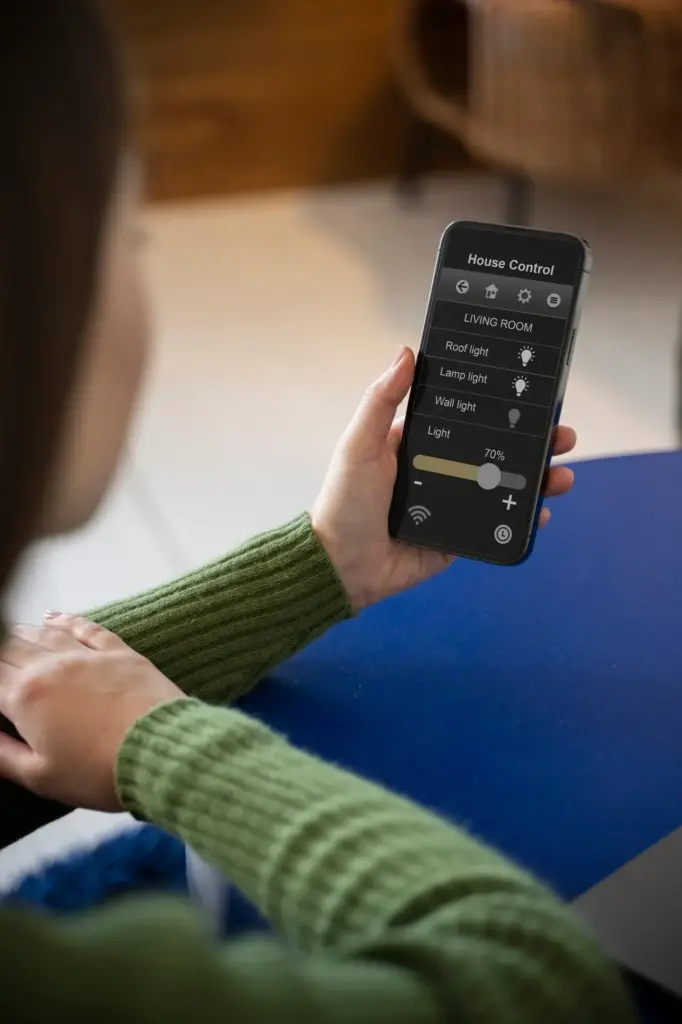
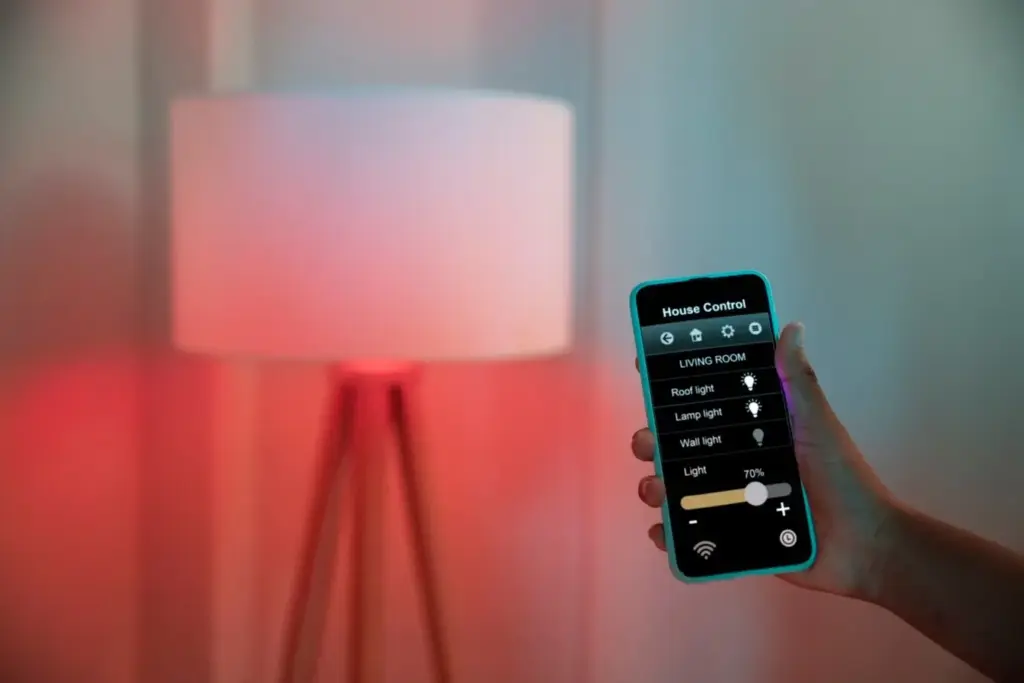
Choose systems that play nicely with small drivers: phase-adaptive dimmers, DALI or Zigbee modules, and Bluetooth mesh for no-new-wires retrofits. Set low-end trim to prevent flicker during night scenes. Add vacancy sensors in baths and corridors. Program one-press presets for cooking, hosting, and unwinding, turning intention into atmosphere with zero friction.
Glare, Shadows, and Visual Comfort
Shield sources carefully with deep regress, snoots, or microprismatic diffusers so eyes relax. Use vertical illumination on walls to reduce contrast ratios across screens and artwork. Sconces at shoulder height balance brightness at eye level, avoiding harsh shadows that make compact spaces feel smaller and more fatiguing than they truly are.
A Micro-Penthouse Story: From Cramped to Curated

Morning: Sunlit Rituals and Quiet Textures
Afternoon: Work Mode Without Clutter
Evening: Hospitality in Thirty Square Meters