
Quiet, Clean, Restorative Living in Compact Luxury

Today we dive into Wellness, Acoustics, and Air Quality Design in Luxury Compact Apartments, revealing pragmatic moves and soulful details that transform tight floorplates into restorative retreats. Expect actionable strategies, field-tested materials, and honest benchmarks that respect limited space without compromising indulgence, quiet, or fresh air. We’ll share stories, measurements, and daily rituals so you can feel immediate improvements and track long-term gains. Join the conversation, ask questions, and request deep dives—we love translating complex building science into delightful, livable moments.

Designing Wellbeing Into Every Square Meter

Small can feel spacious when every decision supports calm bodies and clear minds. We focus on circadian-friendly light, tactile materials, and layouts that prioritize movement, hydration, and restoration. From the softness underfoot to the rhythm of daylight, each detail intentionally reduces cognitive load, supports recovery after long days, and encourages easy micro-habits that add up. You’ll find ideas that fit jewel-box kitchens, flexible studios, and pied-à-terres without adding clutter, only clarity, comfort, and quiet confidence.

Light That Guides Body Clocks

Calibrate your home’s sunrise-to-sunset rhythm with layered lighting that shifts from cool, alerting tones in the morning to warm, melatonin-friendly hues at night. Aim for bright vertical illuminance where eyes land, limit glare with diffused optics, and use dim-to-warm fixtures for evening wind-downs. Add reflective surfaces strategically to bounce light deeper without harshness. Program scenes that align with routines, and let task lights take the strain off eyes during focused work or gentle reading.

Biophilia Without Clutter

Bring nature’s cues into tight footprints by selecting plants that thrive with minimal fuss, like sansevieria and ZZ plants, and pairing them with natural textures—oiled oak, wool, linen—that soften acoustics while comforting the senses. Use botanical art, mineral pigments, and stone accents to echo outdoor calm without sacrificing storage. A compact ledge herb garden near fresh air brings scent and color. Keep maintenance light with self-watering planters, and ensure balanced humidity to help both plants and people flourish.

Ergonomics and Micro-Mobility Planning

Design circulation routes that are uninterrupted, intuitive, and generous enough for daily movement, even in small spaces. Sliding partitions, pocket doors, and transformable furniture can free a short yoga flow or stretching routine without reshuffling the room. Provide an ergonomic workstation with eye-level screens and a supportive chair to reduce neck strain. Integrate a slim pull-up bar or resistance band anchor into a doorway. Keep grab-and-go hydration within reach, making healthy choices feel automatic and effortless.

Acoustic Calm as the New Luxury
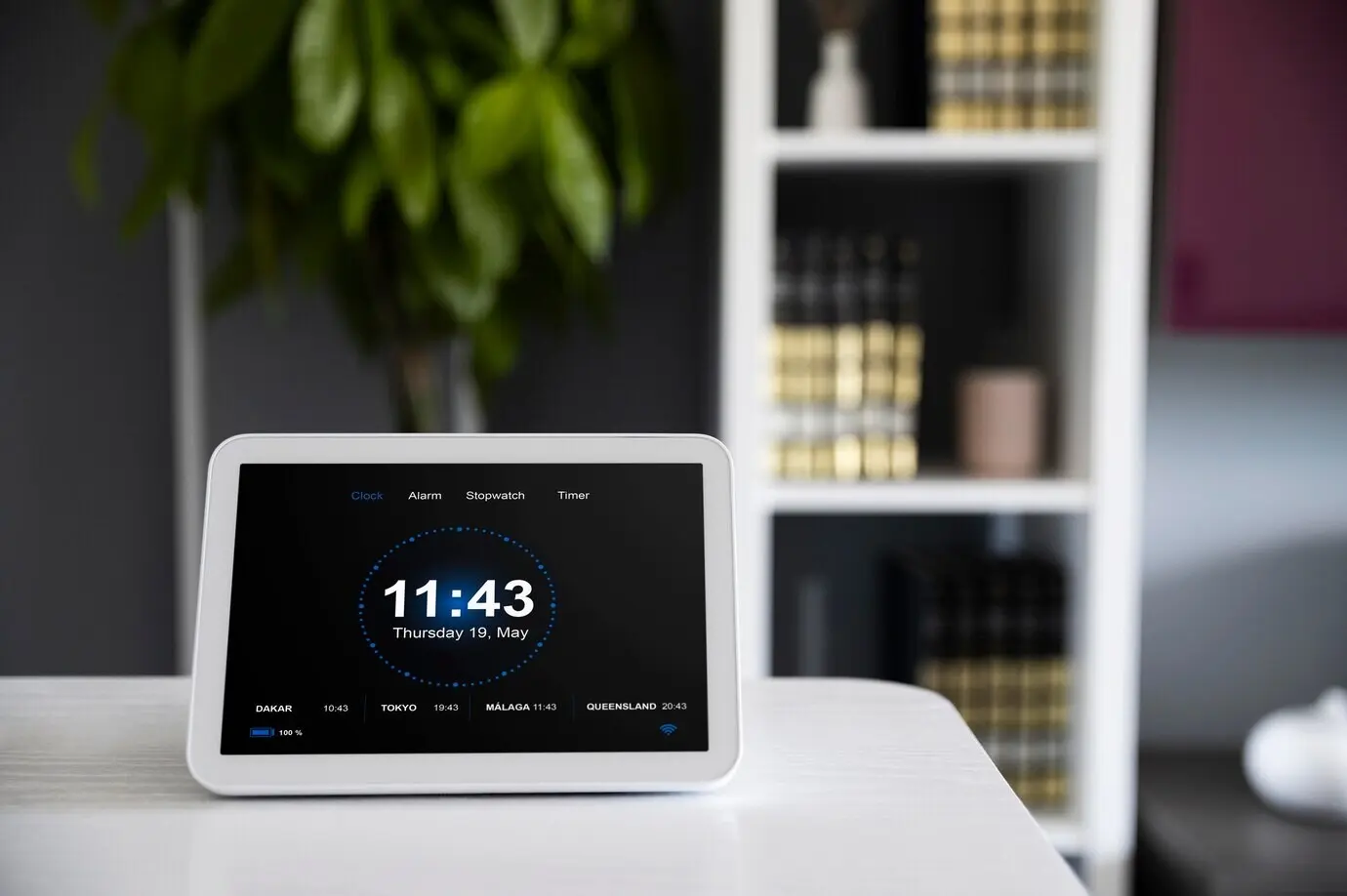
Silence, or at least soothing sound, is a luxury that multiplies the perceived size of a room. We address noise at its sources, along its paths, and where it lands—using decoupled assemblies, soft finishes, and gentle masking. The goal is not dead quiet, but restorative soundscapes where conversation is clear, sleep is deep, and appliances whisper. Careful detailing around doors, glazing, and services brings disproportionate returns in comfort, privacy, and that coveted hush that signals sanctuary.

Ventilation That Fits Tiny Footprints
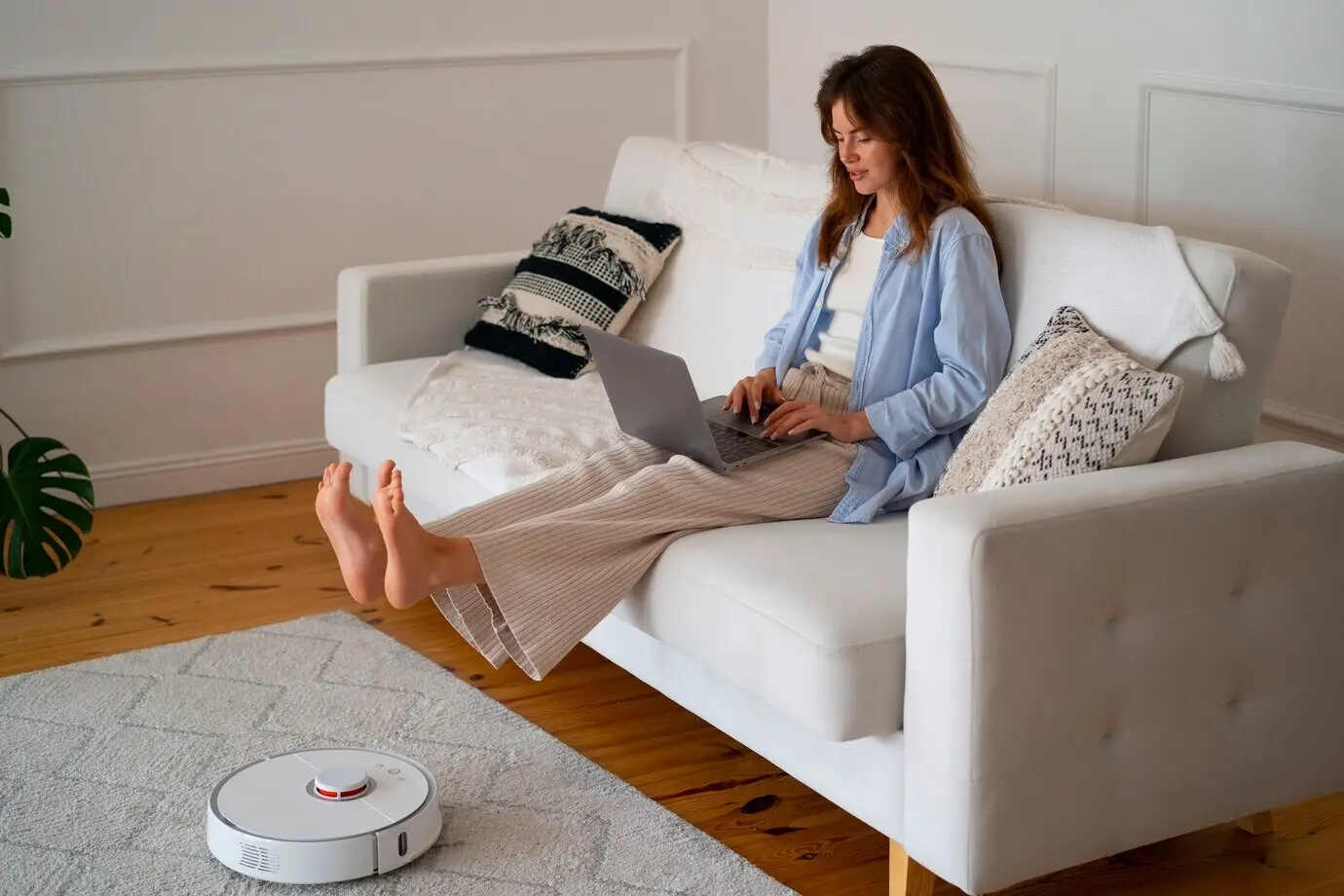
Right-size an energy recovery ventilator to maintain fresh air without drafts, routing slim ducts through closets or ceiling coffers. Balance supply and exhaust, using undercut doors to encourage flow between zones. In bathrooms and kitchens, quiet, effective extraction addresses moisture and odors. Commission for low noise and proper airflow. Simple purge buttons near entries encourage a quick flush after cooking or entertaining. The reward is steady oxygen, fewer stuffy evenings, and reliably crisp mornings.

Filtration and Purification That Actually Works

Select a primary filter rated MERV 13 or higher where possible, and supplement with a HEPA purifier sized to the room’s true volume and typical door positions. Match CADR to your needs, and position devices away from obstructions. Avoid ozone-generating gadgets in favor of proven filtration and adsorbents for odors. Replace filters on time, track PM2.5 and PM10 in an app, and celebrate the satisfying drop when windows close and systems hum quietly into action.

Smart Feedback, Measurable Comfort

Comfort becomes repeatable when you can see it and shape it. Sensors transform hunches into clear signals: CO2 to tune ventilation, particulates to refine filtration, humidity to protect lungs and finishes, and sound levels to validate acoustic strategies. Automations tie actions to thresholds, while manual overrides preserve human intuition. You’ll build confidence through data without surrendering warmth or spontaneity, turning everyday living into a gentle loop of noticing, adjusting, and enjoying consistently better air and quiet.

The Sensor Suite You’ll Actually Use

Choose a compact monitor tracking CO2, PM2.5, temperature, and humidity, then add a simple sound meter for occasional checks. Prefer clear displays and reliable notifications over complex dashboards. Place one device near sleeping areas and another by work zones to capture meaningful variations. Integrate data with existing smart home hubs, or keep it delightfully analog with weekly checks. The point is continuity, not perfection—small, steady awareness drives durable improvements and real, lived-in comfort.

Automation That Respects Privacy and Choice

Let thresholds trigger gentle actions: boost ventilation when CO2 rises, lower shades as afternoon sun spikes, and increase sound masking during focused work. Favor local processing where possible and allow quick, physical overrides with wall controls that feel intuitive. Scene buttons—Morning, Deep Work, Dinner, Wind Down—blend lights, fans, and media into easy rituals. You remain the author; technology simply keeps promises in the background, preserving quiet dignity and beautifully predictable comfort.

Maintenance Made Delightfully Simple

Set reminders tied to actual filter pressure or usage hours, not vague schedules. Keep spare filters and prefilters neatly labeled, and store a hand vacuum for quick cleanups around intakes and registers. Log changes in a tiny notebook or app to spot patterns. Train guests and cleaners on gentle handling of vents and seals. Small, cheerful routines protect performance, so you keep breathing easy without ever wondering whether your systems are quietly falling behind.

A Real-World Transformation in 410 Square Feet

In a city penthouse studio, an overworked founder traded constant stimulation for deeply considered calm. Without expanding the footprint, we reorganized storage, tamed reflections, and brought in filtered daylight. Nighttime noise was mapped and addressed in layers. A compact ERV snuck into a wardrobe. The change wasn’t theatrical; it was tender and exacting. Weeks later, she described waking earlier, reading longer, and inviting friends over again—proof that comfort multiplies both energy and connection.

Daily Rituals That Sustain the Sanctuary

Spaces thrive when habits do. Gentle routines amplify design: timed air purges, daily light cues, sound etiquette, and playful moments that anchor health. None are time-consuming; all are meaningful. We outline quick morning and evening sequences that hold the line against clutter, stale air, and creeping noise. These rituals don’t demand perfection; they reward presence. Start small, notice the lift, and share what works—your insights help refine and reimagine a more gracious, breathable city life.
Begin by raising shades and running a short fresh air boost as the kettle warms. Sip water by an open window, stretch in the brightest corner, and let warm-toned lights fade as daylight takes over. Wipe the cooktop, reset the sink, and water plants lightly. This quiet choreography establishes clarity without effort, priming focus and freeing evenings for true rest or spontaneous invitations rather than catch-up chores that crowd the mind and the room.
As night approaches, select a soft scene—dim pools of light, warm color temperature, and calmer media volume. Close drapery to soften reflections and keep heat or cool where it belongs. Slip on soft-soled house shoes, lay a runner in the hallway, and set gentle boundaries for calls. Run a light ventilation cycle after cooking. These gestures respect your nervous system and your neighbors, nurturing a welcoming, hushed refuge where conversations deepen and sleep arrives kindly.
Nulufukupamolixakoroxa
Privacy Overview

This website uses cookies so that we can provide you with the best user experience possible. Cookie information is stored in your browser and performs functions such as recognising you when you return to our website and helping our team to understand which sections of the website you find most interesting and useful.